Welcome back to my cozy corner of the internet, your go-to space for all things cozy natural, and creative. Today, we’re exploring the vibrant and healing world of calendula, a beloved herb known for its sunny blooms and remarkable benefits. Whether you’re a seasoned herbalist or a curious newcomer, you’ll find plenty of reasons to love calendula. Let’s dive in!
What is Calendula?
Calendula (Calendula officinalis), often referred to as pot marigold, is a hardy annual herb that belongs to the daisy family. With its bright, cheerful flowers and powerful medicinal properties, calendula has been cherished in traditional medicine for centuries. This herb is not only a feast for the eyes but also a treasure trove of healing benefits.
How to Identify Calendula
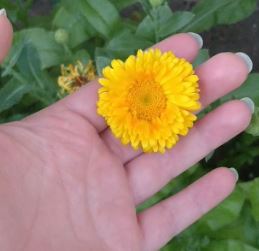
Spotting calendula in the garden or the wild is a delightful experience. Here’s how you can identify this vibrant herb:
- Flowers: Calendula flowers are perhaps its most striking feature. They range in color from bright yellow to deep orange, and they typically bloom from early summer until the first frost. The flowers are daisy-like, with multiple layers of petals radiating from a central disc.
- Leaves: The leaves of calendula are green, slightly fuzzy, and oblong or lance-shaped. They grow alternately along the stem and have a slightly sticky texture.
- Stem: The stems of calendula are green, slightly hairy, and can grow up to 24 inches tall. They are sturdy and often branch out as the plant matures.
- Aroma: Calendula flowers have a mild, pleasant scent. The leaves, when crushed, release a subtle, herbaceous fragrance.
Herbal Benefits of Calendula
Calendula is more than just a pretty flower; it’s packed with benefits that have earned it a permanent place in herbal medicine. Here are some of the reasons why calendula is so highly regarded:
- Skin Healing: Calendula is renowned for its skin-healing properties. It’s commonly used in creams, salves, and balms to treat minor cuts, burns, rashes, and insect bites. Its anti-inflammatory and antimicrobial properties help speed up the healing process and prevent infection.
- Anti-Inflammatory: The anti-inflammatory compounds in calendula make it an excellent remedy for soothing irritated skin and reducing inflammation in conditions like eczema and dermatitis.
- Antiseptic: Calendula’s antiseptic qualities make it effective in preventing and treating infections. It’s often used in wound care and to promote the healing of skin infections.
- Digestive Health: Calendula tea is a gentle remedy for digestive issues. It can help soothe an upset stomach, relieve gas, and support overall digestive health.
- Oral Health: Gargling with calendula tea can help treat sore throats, gum inflammation, and mouth ulcers. Its antiseptic properties make it effective in maintaining oral hygiene.
- Menstrual Support: Calendula has been used to regulate menstrual cycles and alleviate menstrual cramps. Its antispasmodic properties help reduce muscle spasms and pain.
How to Use Calendula
Incorporating calendula into your herbal routine is simple and rewarding. Here are some popular methods:
- Tea: Brew dried calendula petals in hot water to make a soothing tea. This can be consumed to support digestive health, reduce inflammation, or simply enjoy a calming drink.
- Salve: Create a homemade calendula salve by infusing dried calendula petals in a carrier oil (like olive or coconut oil) and combining it with beeswax. This can be used to treat minor cuts, burns, and skin irritations.
- Compress: Soak a clean cloth in calendula tea and apply it as a compress to inflamed or irritated skin. This is particularly effective for conditions like eczema or dermatitis.
- Gargle: Use cooled calendula tea as a gargle for sore throats or mouth ulcers. It helps reduce inflammation and promote healing.
- Bath: Add calendula petals or a few drops of calendula-infused oil to your bath for a soothing and skin-nourishing experience.
Growing Calendula
Calendula is a hardy, easy-to-grow plant that can brighten up any garden. Here are some tips for cultivating this cheerful herb:
- Sunlight: Calendula thrives in full sun but can tolerate partial shade.
- Soil: It prefers well-drained soil and can adapt to a variety of soil types.
- Watering: Calendula needs regular watering, especially during dry periods, but be careful not to overwater.
- Spacing: Plant calendula seeds about 12 inches apart to allow for healthy growth and airflow.
- Harvesting: Harvest the flowers regularly to encourage continuous blooming. You can use the fresh flowers or dry them for later use.
Calendula is not only a beautiful addition to your garden but also a versatile and powerful herb to have in your herbal toolkit. Its gentle yet effective healing properties make it a favorite among herbalists and natural health enthusiasts alike.
Stay cozy, and keep exploring the wonderful world of herbs with us!
 Deanna Biloski
Leave a comment