


Welcome to my cozy corner of the internet where we are going to be looking closer at one of my favourite herbs! Today, we’re getting up close and personal with a remarkable herb that’s been cherished for centuries: yarrow. This resilient plant is a treasure trove of benefits, and we’re here to uncover its secrets, learn how to identify it, and discover why it deserves a spot in your herbal medicine cabinet.
What is Yarrow?
Yarrow (Achillea millefolium) is a perennial herb known for its feathery, fern-like leaves and clusters of tiny, aromatic flowers. This herb has a rich history in traditional medicine and has been used by various cultures to treat a wide range of ailments. From its botanical beauty to its impressive medicinal properties, yarrow is a true gift from nature.
How to Identify Yarrow
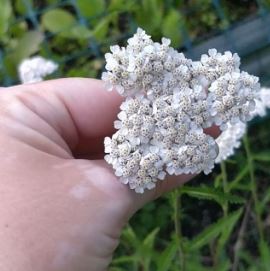
Finding yarrow in the wild or growing it in your garden can be a delightful experience. Here’s how to spot this wonderful herb:
- Leaves: Yarrow’s leaves are finely divided, giving them a feathery appearance. They are often described as fern-like or lacy, with a soft texture. The leaves are usually a deep green color, though they may appear slightly grayish.
- Flowers: The plant produces clusters of small, white to pale pink flowers that bloom from late spring to early fall. These clusters are flat-topped and umbrella-shaped, often resembling a delicate lace doily.
- Stem: Yarrow has a sturdy, upright stem that can grow up to 3 feet tall. The stem is slightly hairy and can be a light green to purplish color.
- Aroma: One of the easiest ways to identify yarrow is by its distinctive aroma. When crushed, the leaves and flowers release a strong, sweet scent, often described as a mix of chamomile and pine.
Herbal Benefits of Yarrow
Yarrow is more than just a pretty face in the garden; it’s a powerhouse of herbal benefits. Here are some of the reasons why yarrow has been a staple in herbal medicine for centuries:
- Wound Healing: Yarrow’s scientific name, Achillea, is derived from Achilles, the Greek hero who is said to have used yarrow to heal his soldiers’ wounds. The herb has anti-inflammatory and antimicrobial properties that make it excellent for treating cuts, scrapes, and burns. Simply apply crushed yarrow leaves or a poultice to the wound to promote healing.
- Digestive Health: Yarrow has been used to support digestive health, helping to alleviate symptoms of indigestion, bloating, and cramping. A warm cup of yarrow tea can soothe the stomach and promote better digestion.
- Menstrual Support: For centuries, yarrow has been used to regulate menstrual cycles and relieve menstrual cramps. It is known to balance hormonal levels and reduce heavy menstrual bleeding.
- Respiratory Relief: Yarrow’s anti-inflammatory properties extend to the respiratory system, making it useful for treating colds, coughs, and bronchitis. It helps to clear congestion and reduce inflammation in the airways.
- Stress and Anxiety: The calming effects of yarrow can help to reduce stress and anxiety. Drinking yarrow tea or using it in aromatherapy can have a soothing effect on the mind and body.
How to Use Yarrow
There are many ways to incorporate yarrow into your herbal routine. Here are a few simple methods:
- Tea: Brew dried yarrow leaves and flowers in hot water for a soothing tea. This can be consumed to support digestion, reduce menstrual cramps, or simply to enjoy its calming effects.
- Poultice: Crush fresh yarrow leaves and apply them directly to wounds or insect bites to promote healing and reduce inflammation.
- Infused Oil: Infuse yarrow flowers in a carrier oil (such as olive or coconut oil) and use it as a topical treatment for skin irritations and wounds.
- Aromatherapy: Add dried yarrow to a sachet or use yarrow essential oil in a diffuser to benefit from its calming aroma.
Growing Yarrow
If you’re inspired to add yarrow to your garden, you’ll be pleased to know it’s a hardy plant that thrives in a variety of conditions. Here are some tips for growing yarrow:
- Sunlight: Yarrow prefers full sun but can tolerate partial shade.
- Soil: It thrives in well-drained soil and is quite drought-tolerant once established.
- Spacing: Plant yarrow about 12-18 inches apart to allow for adequate airflow and growth.
- Watering: Water sparingly; yarrow does not require frequent watering and can withstand dry conditions.
Yarrow is not only a beautiful addition to your garden but also a versatile and beneficial herb to have on hand. Whether you’re a seasoned herbalist or just beginning your journey into natural remedies, yarrow is a fantastic herb to explore.
Stay cozy and keep discovering the wonders of the herbal world!


Leave a comment